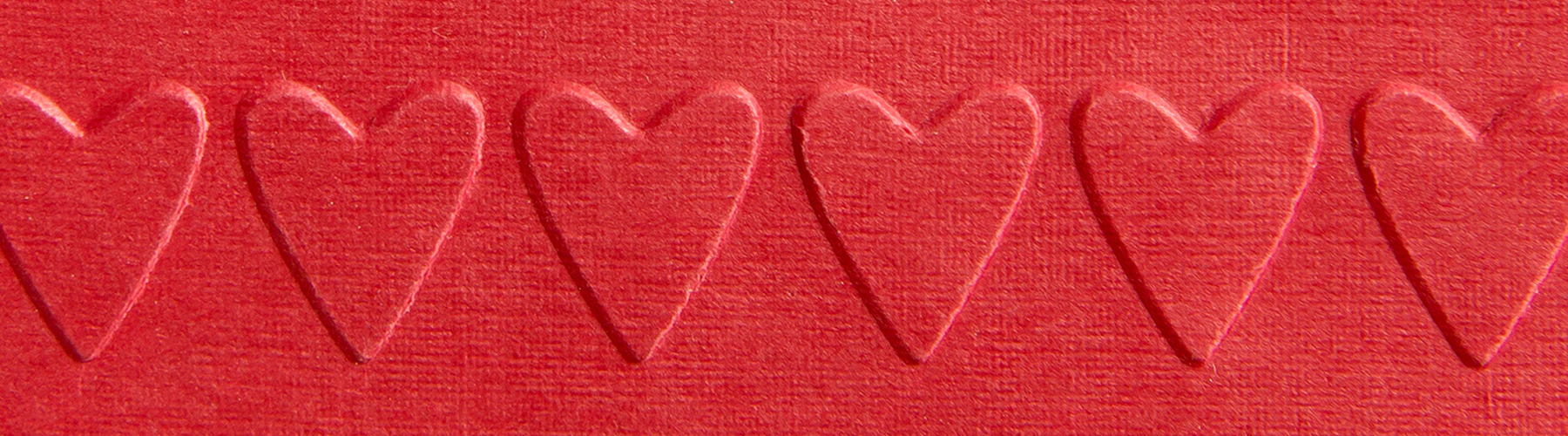
Luxury Embossing & Debossing for Greeting Cards
Add tactile depth and sculptural elegance to your collection.
Embossing transforms a flat design into a three-dimensional sculpture, creating both visual and tactile appeal. If you are looking to create a premium feel and highlight the quality of your chosen board, blind embossing or debossing offers an understated, gallery-grade finish.
Emboss vs. Deboss: What is the Difference?
Both techniques use extreme pressure and bespoke metal dies to reshape the paper fibres:
- Embossing: Raises the design above the surface of the card.
- Debossing: Presses the design down in the board for a recessed effect.
When used without ink or foil (known as “blind” embossing), the effect relies entirely on light and shadow, making it a favourite for minimalist designs and luxury branding.
Design Tips for Best Results
- Bold is Better: Larger shapes and bolder typography generally allow for a deeper, more defined impression.
- Board Weight: Heavier stocks, such as our 350gsm Callisto, offer incredible depth and detail.
- Texture Matters: Embossing is exceptionally effective on lightly textured or “toothy” papers where the contrast in the surface is most visible.
- Spacing: Because the process stretches the paper, we recommend generous letter spacing to ensure your typography remains crisp and legible.
If you’re looking to create a premium feel to your greetings cards and highlight the quality of the board they are printed on we would recommend blind embossing. By creating a raised, or even recessed area using a die, blind embossing or de-bossing creates a subtle paper coloured image that can be felt as well as seen.
An embossed image is formed under extreme pressure using male and female moulds, these force the paper to their shape, creating a multi-dimensional impression. When embosssed, the image is raised; when de-bossed, the image is below the paper surface.
In general, bolder type and larger designs can be embossed more deeply, and heavier papers can achieve greater depth and detail.
Blind embossing creates a contrast in the paper surface, it’s most effective on lightly textured paper stocks or laid sheets with designs that aren’t too busy.
Line art and typography for embossing should be proofed before being printed, with extra care taken in spacing type so that letters have enough room to form.
Because an embossed image is three-dimensional, it may appear slightly smaller than the same image produced by offset or other two-dimensional means.
For a more in depth read: Understanding the Differences and When to Use Them
